The Value of Choosing the Right Fillet Knife for Optimum Accuracy and Performance
Selecting the appropriate fillet knife is vital for any person included in the art of fish prep work. The appropriate blade boosts both accuracy and efficiency, enabling tidy cuts and boosted fish discussion. Various kinds of fillet knives offer distinct benefits, and recognizing these can substantially impact the filleting process. The subtleties of blade versatility and handle design play an essential duty in achieving ideal results. What aspects should one consider when making this crucial selection?
Recognizing the Anatomy of a Fillet Knife
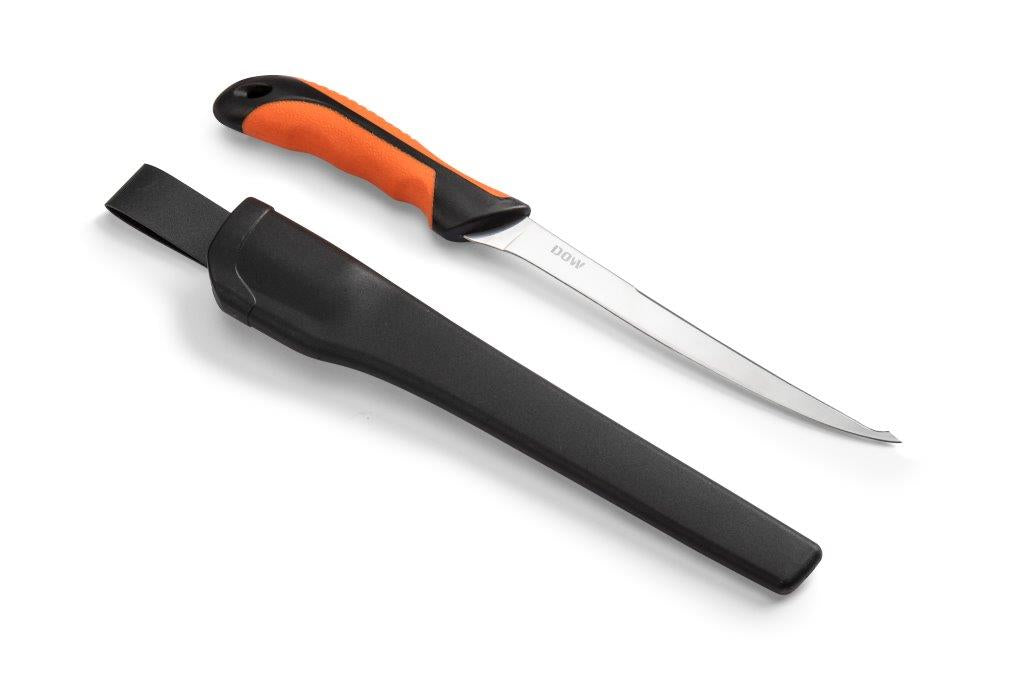
The fillet knife, an important tool for any angler, features a distinct layout that establishes it aside from various other cooking area knives. Unlike conventional blades, it boasts a long, flexible blade that enables detailed maneuvering around bones and skin. This adaptability is crucial for attaining tidy, precise cuts, vital when preparing fish. The blade's narrowness contributes to its dexterity, enabling individuals to browse the shapes of the fish easily.
Furthermore, the manage is ergonomically created, giving a safe grip that boosts control throughout filleting. Products used in both the blade and handle differ, influencing resilience and convenience. The mix of these elements warranties that the fillet blade is not just a tool but an extension of the angler's skill. Understanding the makeup of a fillet blade is vital for maximizing its potential, ensuring that the customer can effectively prepare their catch with accuracy and care.
Trick Functions to Search For in a Fillet Knife
When picking a fillet knife, numerous essential features need to be considered to guarantee perfect efficiency. Blade material high quality, handle comfort and grasp, and the blade's flexibility and size are crucial elements that can substantially influence the filleting experience. Reviewing these characteristics will direct individuals in making an informed selection.
Blade Material High Quality
Selecting a fillet knife with high-grade blade product is crucial for accomplishing perfect performance and longevity. Stainless steel is a preferred selection as a result of its deterioration resistance and capability to keep a sharp edge, making it suitable for filleting fish in numerous conditions. High-carbon stainless steel boosts edge retention and intensity, guaranteeing precise cuts. Furthermore, some blades feature finishes, such as titanium or ceramic, which can increase longevity and minimize rubbing throughout slicing. The density and adaptability of the blade additionally play a critical role; thinner blades enable for even more fragile cuts, while stiffer blades offer toughness for bigger fish. Ultimately, purchasing a fillet knife with remarkable blade product can greatly enhance the effectiveness and accuracy of the filleting process.
Manage Comfort and Grip
A high-quality blade is only part of the formula for an effective fillet blade; handle comfort and grip greatly affect individual experience and performance. A properly designed manage need to offer a protected grip, permitting exact control throughout filleting jobs. Ergonomically shaped manages can lower hand fatigue, enabling longer durations of use without discomfort. Materials such as rubber, soft plastic, or timber can boost grasp and avoid sliding, specifically when wet. Additionally, the size and form of the handle have to fit pleasantly in the user's hand, accommodating numerous hand dimensions. A blade that feels great in the hand not only increases efficiency yet additionally enhances safety and security, as a secure hold lessens the threat of crashes during filleting.
Adaptability and Size
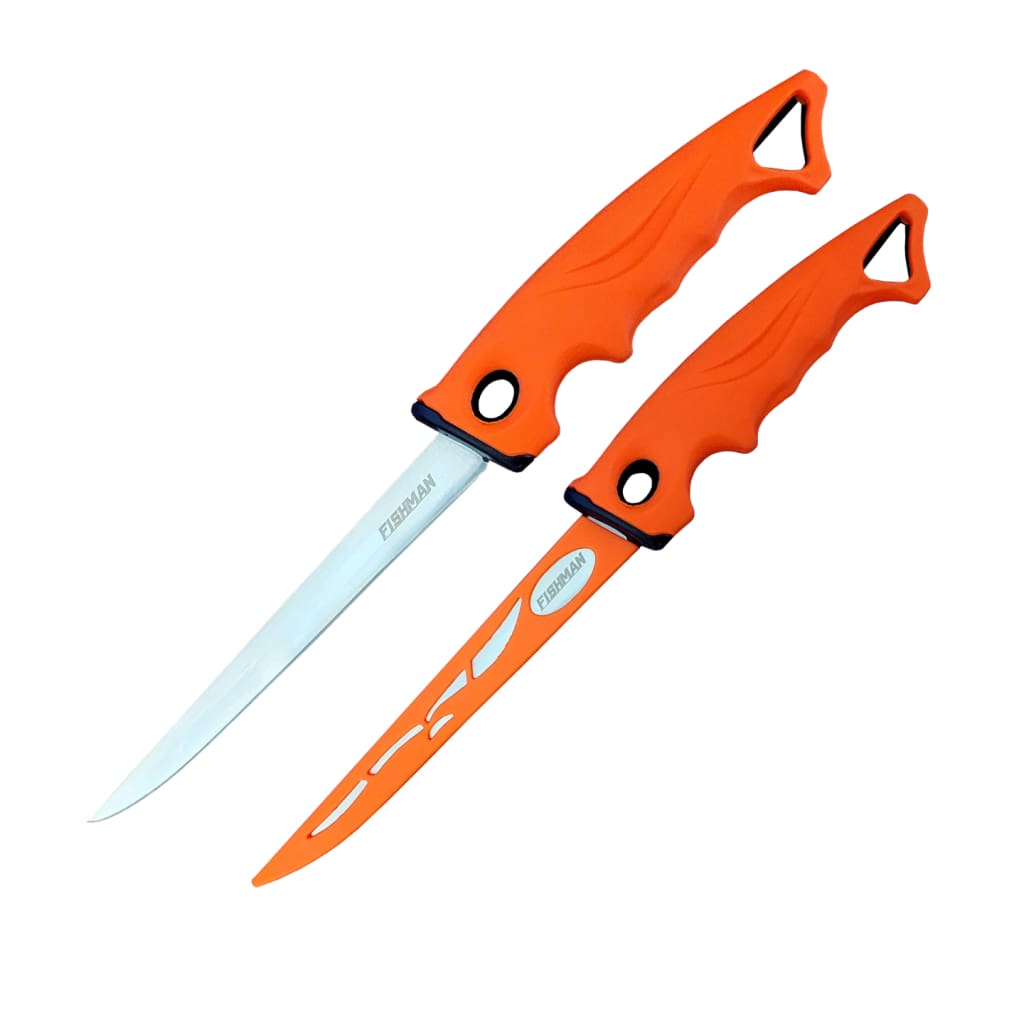
Flexibility and size are fundamental factors that considerably affect the efficiency of a fillet knife. A versatile blade permits greater maneuverability, making it easier to browse around bones and contours of the fish, which is crucial for attaining clean cuts and making best use of yield. Conversely, a stiffer blade might offer far better control for bigger fish but can limit skill.
Size also plays a significant function; longer blades are suitable for filleting larger fish, while much shorter blades supply precision for smaller sized species - fish fillet knife. The choice between adaptability and length ultimately depends on the intended use and the kind of fish being refined. Choosing the right combination assurances optimal precision and efficiency, boosting the overall filleting experience
Various Kinds Of Fillet Knives and Their Uses
Fillet knives can be found in various kinds, each designed for details tasks in fish prep work. The conventional fillet blade is defined by its long, slim blade, ideal for getting rid of skin and bones from fish. A flexible fillet knife permits intricate cuts, making it ideal for delicate fish like trout. Alternatively, a stiff fillet blade offers even more control, making it effective for bigger types such as salmon or tuna.
There are additionally electrical fillet knives that facilitate effective and fast filleting, especially advantageous for those processing huge amounts of fish. Additionally, some fillet knives include specialized styles, like rounded blades for more precise cuts along the fish's contours. Ultimately, choosing the appropriate sort of fillet knife is important for accomplishing the finest outcomes, ensuring the fish is ready precisely and successfully, thereby enhancing the overall cooking experience.
The Importance of Blade Adaptability and Sharpness
When preparing fish, the significance of blade versatility and sharpness can not be overstated. A fillet knife with the appropriate quantity of adaptability enables for better maneuverability, allowing the customer to navigate around bones and skin with simplicity. This adaptability is important for accomplishing clean, precise cuts, which enhances the general discussion of the filleted fish.
Sharpness is just as essential; a well-honed blade lowers the initiative needed throughout filleting. A sharp knife glides through flesh efficiently, minimizing tearing and making certain a more uniform cut. This not only boosts the top quality of the fillet yet additionally improves security, as less stress is required to cut via the fish.
Spending in a high-quality fillet knife that balances both flexibility and intensity is essential for any type of cook or fishermen. The best knife greatly improves performance, making the filleting process quicker and extra delightful.
How Take Care Of Layout Affects Control and Comfort
The design of a fillet blade take care of greatly influences both control and comfort during use - fish knife. Variables such as grasp material, ergonomic form, and handle size play essential duties in making sure a protected and comfortable hold. Comprehending these aspects can help users pick a blade that improves their filleting experience
Hold Material Influence
Selecting the appropriate grip product is vital for achieving optimal control and comfort while making use of a fillet blade. The product of the handle significantly influences the customer's capability to maintain a safe grasp, specifically in damp conditions. Typical materials consist of rubber, plastic, timber, and composite alternatives. Each deals unique appearances and degrees of tackiness, influencing just how the knife really feels in hand. Rubber provides excellent hold and shock absorption, while timber supplies a traditional visual yet might lack moisture resistance. Plastic can be light-weight but might not offer the same responsive feedback. Inevitably, the chosen grip product impacts not only the customer's comfort throughout prolonged usage however also their total precision when performing fragile filleting jobs.
Ergonomic Shape Advantages
Take Care Of Size Considerations
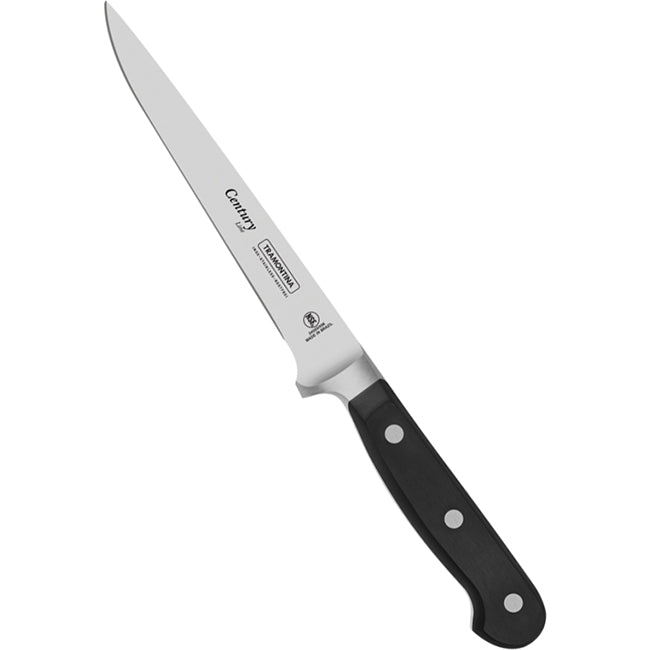
While choosing a fillet knife, handle size plays a crucial role in influencing both control and comfort throughout use. A much longer take care of can offer boosted utilize, permitting more forceful cuts, which can be useful for larger fish. However, it may compromise accuracy, specifically in limited spaces. Conversely, a shorter take care of enhances maneuverability, allowing finer, comprehensive job, making it ideal for detailed filleting jobs. The layout should also consider user hold-- if the take care of is also brief for one's hand dimension, it might result in discomfort and tiredness. Ultimately, the right handle length depends upon private choices and the details jobs at hand, making certain the customer can maintain peak control without jeopardizing convenience during extended usage.
Upkeep Tips for Long Life and Efficiency
To assure a fillet blade remains durable and reliable, appropriate maintenance is basic. Normal cleansing is very important; the blade needs to be cleaned with cozy, soapy water promptly after use to stop rust and deposit buildup. It is suggested to dry the blade completely with a soft fabric to stay clear of moisture retention. Additionally, sharpening the blade consistently helps keep its sharpness and performance. Making use of a whetstone or sharpening rod can assure the edge continues to be precise for effective filleting.
Storage space plays a necessary role in upkeep; a knife sheath or magnetic strip can protect the blade from damage and dulling. Prevent storing the knife in a drawer alongside various other utensils, as this might lead to nicks or scratches. fish knife. Lastly, routine expert developing can boost long life, ensuring the knife performs at its ideal with time. With these upkeep methods, one can delight in a high-performing and dependable fillet knife for years ahead
Enhancing Your Filleting Strategy With the Right Blade
Selecting the proper fillet knife can dramatically enhance one's filleting technique, as the appropriate tool influences accuracy and performance. A healthy blade with a flexible blade allows for smooth, accurate cuts along the fish's shapes, lowering the danger of tearing the flesh. The blade's intensity is equally crucial; a sharp side minimizes effort, making it possible for cleaner cuts and preserving the high quality of the fillet.
In addition, the deal with's convenience and grasp are necessary for preserving control throughout the procedure. A blade that fits well in the hand lowers tiredness, enabling the customer to concentrate on method rather than pain. Different fish varieties may need differing blade sizes and sizes, further highlighting the significance of picking a knife customized to particular requirements. Ultimately, buying the right fillet knife not only improves method however likewise enhances the general experience of filleting, causing far better results and raised fulfillment.
Often Asked Concerns
Can I Use a Fillet Blade for Other Types of Fish Prep Work?
A fillet knife can without a doubt be used for other sorts of fish prep work, such as cutting or skinning. Its specialized layout might not supply ideal outcomes for tasks better fit to various other knife types.
What Is the very best Brand for Fillet Knives?
Numerous fanatics suggest brands like Rapala, Dexter-Russell, and Wüsthof for fillet blades. These brand names are applauded for their accuracy, quality, and toughness, making them prominent options amongst both amateur and seasoned fish preparers.
Exactly how Often Should I Develop My Fillet Blade?
A fillet knife needs to be honed frequently, preferably after every few uses, or whenever it feels boring. Keeping a sharp edge assurances efficient and accurate cuts, boosting the general filleting experience for the user.
Is a High Price Indicative of a Better Fillet Blade?
A high rate may recommend much better materials and workmanship, however it does not assure remarkable performance. Assessing functions, user reviews, and brand name track record is necessary for critical high quality beyond simply the cost.
Are Electric Fillet Knives Worth the Investment?
Electric fillet blades can be worth the investment for those that focus on speed and ease of usage. They commonly supply constant results and lower tiredness, making them perfect for constant fish processing and larger quantities.
The fillet blade, a necessary tool for any type of angler, features an unique style that sets it apart from various other kitchen knives. A premium blade is just part click of the equation for fish knife an effective fillet knife; manage convenience and hold considerably influence customer experience and performance. The typical fillet blade is identified by its lengthy, slim blade, perfect for removing skin and bones from fish. Furthermore, some fillet knives feature specialized layouts, like rounded blades for even more exact cuts along the fish's shapes. Selecting the suitable fillet blade can significantly improve one's filleting method, as the best device influences accuracy and effectiveness.